
How to Make a Product Video That Converts Views Into Sales

If you are wondering how to make a product video or specifically high-converting AI marketing videos that do more than look good, the key is simple: build it to answer buyer questions quickly, prove the product in action, and make the next step feel effortless.
Key Takeaways
Set one conversion goal and one audience pain point.
Lead with benefits, then back them up with features and proof.
Show the product in use in the first 3 seconds.
Follow: Hook, Problem, Demo, Proof, Offer, CTA.
Create platform-specific versions (format, captions, pacing).
Converting videos is built into the edit, not in one take.
A Proven Strategy for Product Videos That Turn Views Into Buyers
Learning how to make a product video is not about fancy gear or flashy effects. It is about clarity, proof, and a simple flow that answers buyer questions quickly. The steps below will help you create a product video that highlights what matters, shows the product in action, and guides viewers to a confident next step.
1) Define the Goal Before You Hit Record
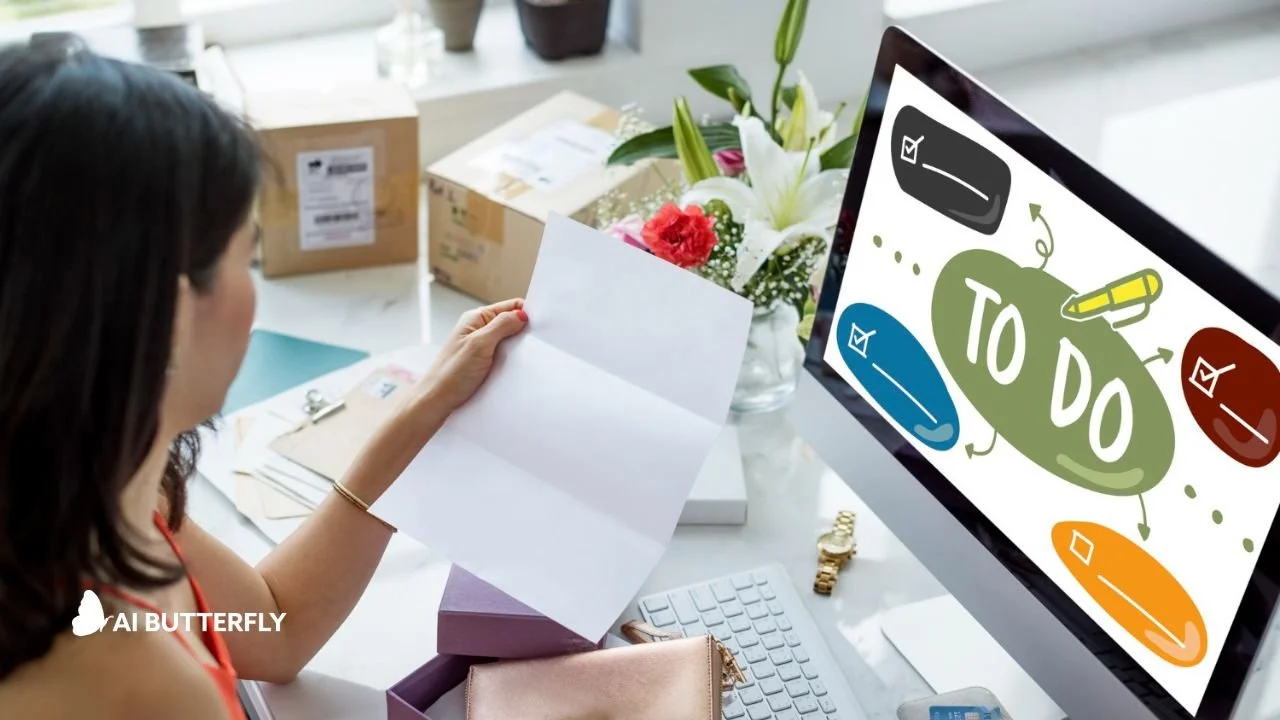
Before you film anything, decide what “converts” means for this video. Your goal might be to get viewers to:
Add the product to their cart.
Click on a landing page.
Book a demo call.
Join a waitlist.
Request a quote.
Once the goal is clear, choose where the video will live, because placement affects everything. A product page video needs clarity and trust, a social ad needs speed and pattern interrupts, and a marketplace listing needs clean visuals and compliance.
If you want a faster path from idea to finished deliverable, a creative team equipped with an advanced AI tool to generate video from text can help. AI Butterfly blends AI video tools with real marketing know-how, so the video is not just generated. It is guided, refined, and finished with production polish.
2) Choose the Right Product Video Type for Your Funnel
Different video styles remove different buyer objections, so choose the format that matches your goal and audience temperature. Product demo videos reduce confusion by showing how it works, step by step.
UGC style testimonials build trust with relatable, natural language and real use cases. Problem-to-solution ads work well for cold audiences because they highlight the pain point, then deliver an “aha” moment and a simple CTA.
Feature spotlights support retargeting by focusing on one benefit and one proof point. Unboxing and first use videos are ideal for physical products because they show what is included, how it feels, and what to expect right away.
3) Write a Script That Sells Without Sounding Salesy
A converting product video script is not a product description read aloud. It is a buyer conversation, edited down to the essentials.
A simple structure that works:
Hook (first 1 to 3 seconds).
Problem.
Solution demo.
Proof.
Offer and CTA.
Next, show the product solving it with real usage shots, whether that is hands-on footage or an on-screen walkthrough for software. Add proof with a quick testimonial line, a before and after, review-style callouts, or a credibility cue that feels natural.
Finish with an offer and a direct CTA that tells viewers exactly what to do next, such as “Tap Add To Cart” or “Book a demo.” A strong script makes the video feel obvious, helpful, and easy to act on.
4) Plan Your Shots Like a Checklist
Even a strong script will fall flat if the visuals do not support it, so build a shot list before filming. Capture a hero beauty shot in good light, close-ups of key details and texture, and clear footage of the product in use from at least two angles. If the product solves a visible problem, film the problem first and then the before and after.
Include packaging and what is included so buyers know what they are getting, along with a size reference shot so scale is never confusing. Add a lifestyle context shot to show where it fits in real life, then finish with a clean CTA end card that matches your offer.
If you sell multiple variants, capture a modular library of repeatable shots so you can remix them into ads, product page videos, and seasonal promos.
5) Film for Clarity, Not Cinematic Vibes
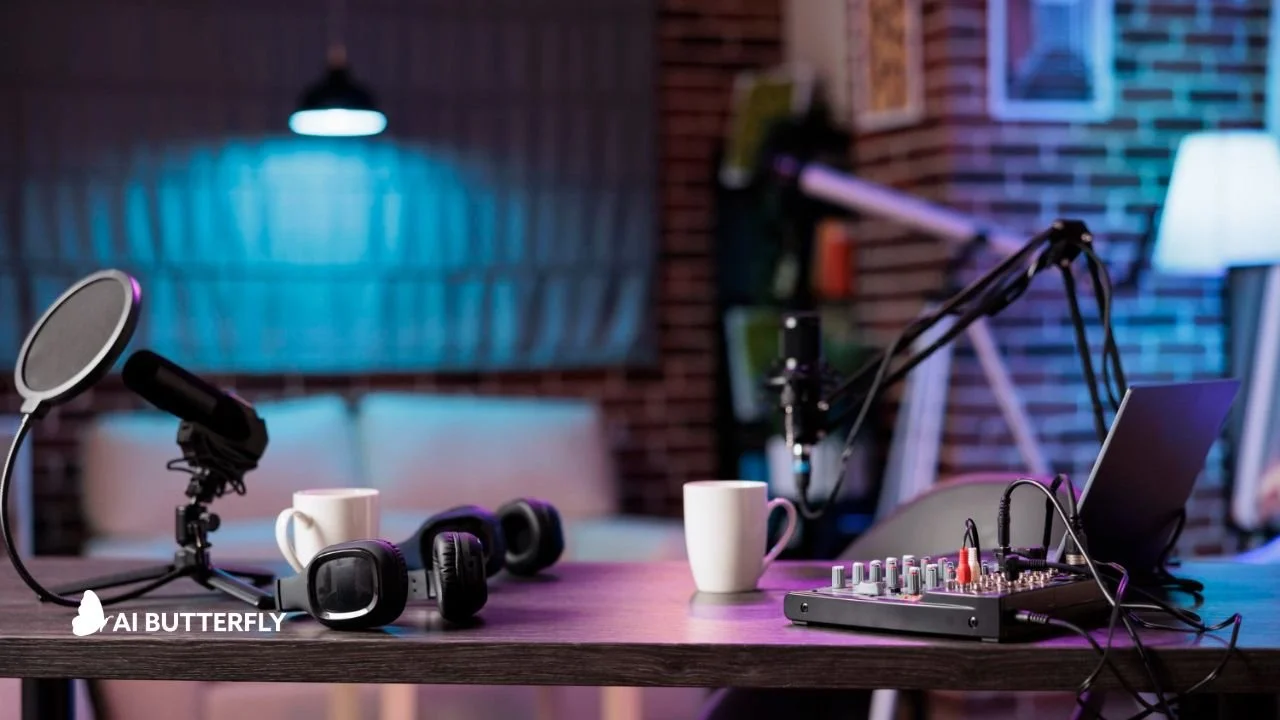
You do not need a studio to make a product video that sells. You need clean lighting, steady framing, and readable visuals.
Prioritize the basics:
Film near a window or use a soft key light.
Avoid harsh overhead shadows and mixed color temperatures.
Keep audio clean if you use voiceover.
Add captions because many people watch with the sound off.
Frame for the platform: product pages usually perform best with clean, centered shots, while social placements benefit from tighter crops and more movement. Aim for the right length based on where the video will run, since ads often need faster pacing than product pages or marketplace listings.
6) Edit for Pacing and Trust
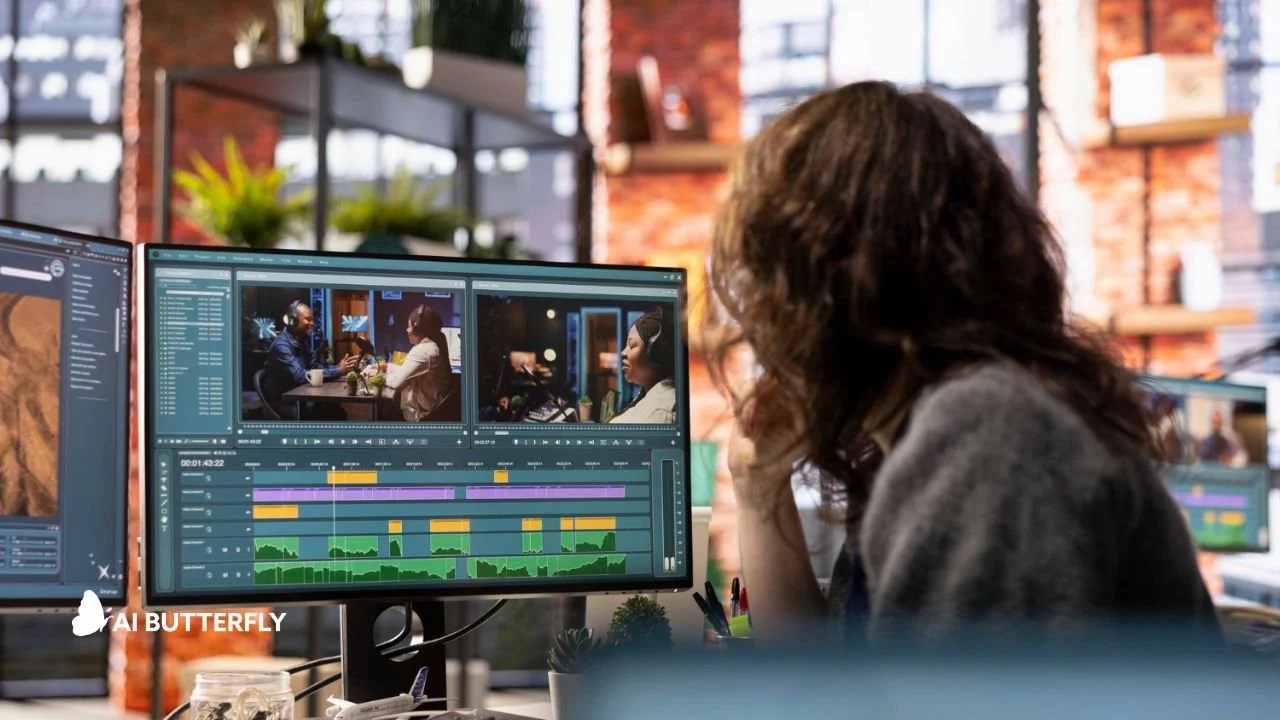
Editing is where your product video becomes conversion-focused. Use captions that are burned in, add on-screen callouts that emphasize benefits, and trim aggressively to remove dead space.
Make sure your edit includes:
Clean color correction so the product looks true to life.
Subtle sound design to make key actions feel satisfying.
A branded end card that supports the CTA without slowing the video down.
If you are DIYing, it is easy to stop at “good enough,” but that often looks generic or overly AI-generated. A polished edit makes the video feel intentional, human-centered, and worthy of trust.
7) Optimize for Each Platform and Placement
One product video should become multiple exports, not one universal file. Create 16:9 versions for YouTube and some product pages, 1:1 versions for feeds, and 9:16 versions for Reels, TikTok, and Shorts.
If you run paid campaigns, test small variations such as:
Hook A versus Hook B.
Benefit-focused versus proof-focused.
UGC style versus studio style.
Optimization is how you turn a good creative into a consistent performer.
8) Add Conversion Boosters That Viewers Feel
When people ask how to make a product video that sells, they often miss the credibility details that build buyer confidence. Show scale clearly, show what is included, and address the biggest objection in a single sentence.
Two simple ways to increase trust fast are:
Demonstrate the product in the environment it is designed for.
Use real hands, real textures, and real outcomes whenever possible.
The goal is confidence. Confidence converts.
Why Choose AI Butterfly Over DIY AI Tools?
AI tools can generate clips. They cannot reliably deliver strategy, taste, and conversion logic on their own.
AI Butterfly isn’t a tool; it’s a team. We use the best AI tools out there, but what sets us apart is the strategy, prompting expertise, and production polish we bring to every project. You get AI-powered content that is professionally guided.
Here is what that looks like in practice:
We build a conversion-first concept, not just a cool visual.
We craft prompts that stay on brand and avoid uncanny output.
We refine visuals, pacing, sound, and design so it feels human-centered.
We deliver platform-ready versions, not a single export.
If you need a product video that is built to convert, explore our AI Video Commercial Services and tell us what you are selling. We can often turn projects around in days, not weeks.
Frequently Asked Questions
What Should a Product Video Include to Drive Sales?
Include a strong hook, a clear problem, the product in action, one or two proof points, and a direct call to action. The video should increase buyer confidence and make the next step obvious.
How Long Should a Product Video Be?
For ads, 10 to 25 seconds is often ideal when the hook is strong. For product pages, 30 to 90 seconds can convert better because it allows time to demonstrate the product and address objections.
Do I Need Professional Gear to Make a Product Video?
No. A modern smartphone plus good lighting, stable framing, and clean audio can outperform expensive gear used poorly. Clarity and pacing matter most.
How Do I Write a Product Video Script Quickly?
Use a simple template: Hook, Problem, Solution Demo, Proof, Offer, CTA. Write one sentence per section, then match each line with clear visuals.
How Can AI Butterfly Help Me Make a Product Video Faster?
We handle strategy, scripting, prompting, editing, and production polish so you get a video that looks intentional and performs. If you want details on timelines, revisions, and process, see our AI Video Production FAQ.
Final Words
Learning how to make a product video is not about fancy gear. It is about clarity, proof, and pacing. Start with the buyer’s question, show the product solving it, and guide the next step with a strong CTA. If you want the speed of AI with the guidance of a creative team, AI Butterfly is ready.

At AI Butterfly, we blend expert prompting with 15+ years of video production and marketing experience. We know how to guide AI models to produce content that actually feels on-brand, on-message, and visually compelling. Then we take it further, adding sound design, editing, and post-production polish so the final result doesn’t just look like AI…it looks like you.